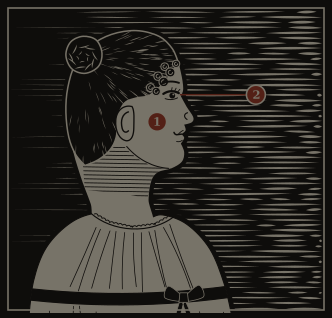
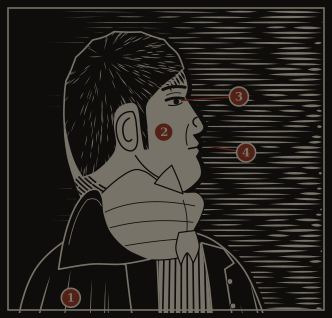
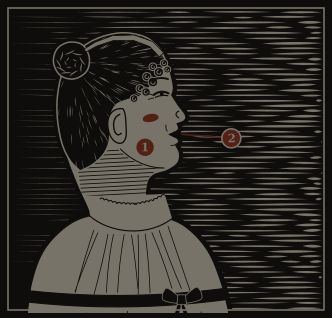
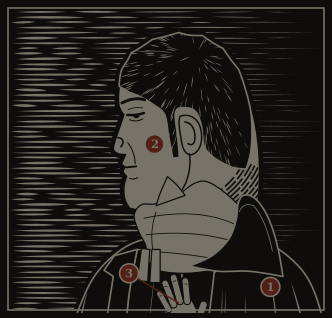
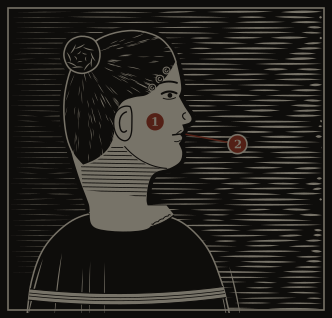
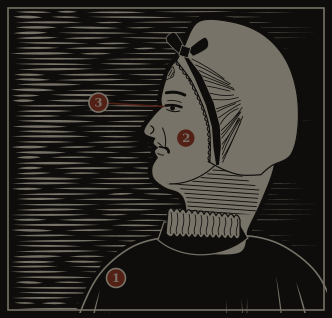
Elizabeth Bennet · antagonists, then husband and wife · Mr Darcy
Each misjudges the other and each corrects the other: his letter humbles her, and her refusal humbles him. The relationship moves from sparring to respect, and the second proposal answers the first.
Jane Bennet · lovers parted and reunited · Mr Bingley
An open, easy attraction nearly ended by other people’s judgement: Darcy believes Jane indifferent, and Bingley lets himself be persuaded. Darcy’s later confession to Bingley that his interference was “absurd and impertinent” (Chapter 58) clears the way for Bingley’s proposal.
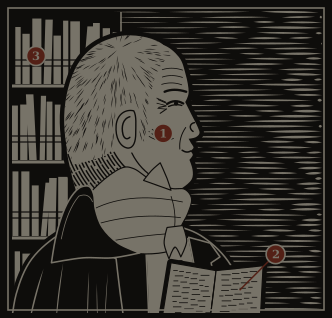
Mr Bennet · mismatched husband and wife · Mrs Bennet
He married for youth and beauty, and her weak understanding soon ended his affection. He mocks her and she does not notice; their marriage is the novel’s warning of what an unequal match does to a family.
Mr Bennet · father and favourite daughter · Elizabeth Bennet
They share a quick, ironic wit. But when she warns him not to let Lydia go to Brighton he jokes the warning away, and the elopement proves her right.
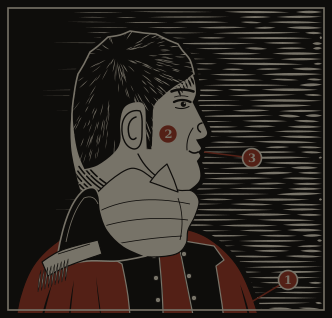
Mr Wickham · raised together, now enemies · Mr Darcy
Wickham, the son of old Mr Darcy’s steward, grew up with Darcy. His false account of their quarrel drives the first half of the plot, and Darcy’s true account in the letter drives the second.
Mr Wickham · a planned elopement, stopped · Georgiana Darcy
At Ramsgate Wickham persuaded fifteen-year-old Georgiana to believe herself in love and agree to elope, chiefly for her fortune of thirty thousand pounds. It reveals his pattern long before Lydia.
Mr Wickham · elopement, then a marriage paid for · Lydia Bennet
Lydia runs away with him from Brighton, and his fellow officer Denny believes he never meant to marry her. The marriage happens only because Darcy pays, and Elizabeth can easily guess how little lasting happiness such a couple will have.
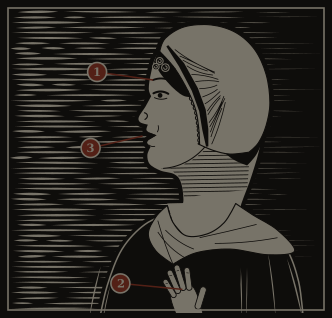
Mr Collins · a marriage of convenience · Charlotte Lucas
Charlotte accepts him for a comfortable home and a secure future, knowing exactly what he is. Their marriage is the novel’s most honest picture of what many women settled for.
Mr Collins · clergyman and patroness · Lady Catherine de Bourgh
Her “bounty and beneficence” gave him the rectory at Hunsford, and he repeats her opinions with reverence. Through him Austen satirises grovelling deference to rank.
Lady Catherine de Bourgh · aunt and nephew · Mr Darcy
She claims Darcy and her daughter were intended for each other from infancy, and tries to stop his marriage to Elizabeth. Her report of Elizabeth’s refusal to promise is what gives him the hope to propose again.
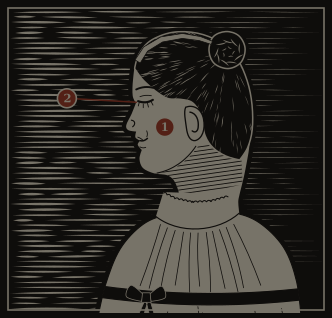
Elizabeth Bennet · sisters and confidantes · Jane Bennet
Jane trusts everyone and Elizabeth trusts her own judgement. Each is wrong about someone, and their closeness gives the novel a steady centre inside a chaotic family.
Elizabeth Bennet · friends divided by a choice · Charlotte Lucas
Charlotte’s acceptance of Collins shocks Elizabeth and cools the friendship. Staying with her at Hunsford, Elizabeth has to weigh a choice she could not make herself.
Mr Darcy · friends, one leading the other · Mr Bingley
Bingley defers to Darcy’s judgement, which is how Darcy can part him from Jane and how his later confession can reunite them. The friendship shows Darcy’s influence used badly and then well.
Mrs Gardiner · aunt and niece · Elizabeth Bennet
She is the sensible adult Elizabeth’s mother is not. She warns Elizabeth not to fall for Wickham, who has no fortune, takes her to Derbyshire, and her letter reveals what Darcy has done.